Overview
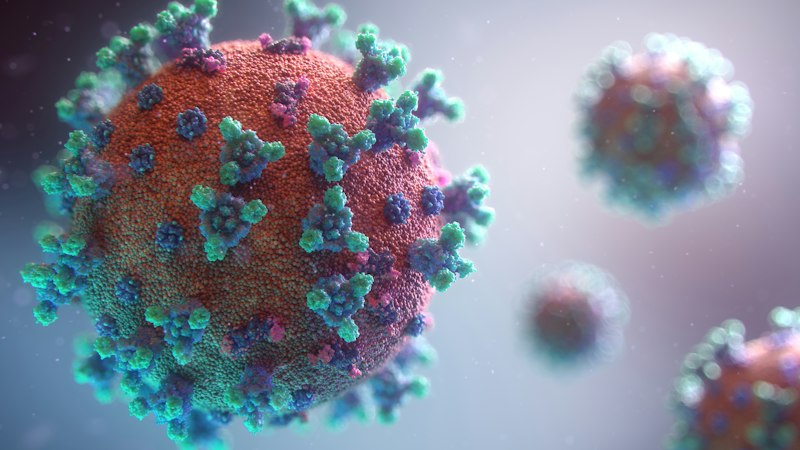
Cholera is caused by the bacterium Vibrio cholerae, often found in contaminated water.
Cholera is a severe bacterial infection that causes intense watery diarrhea. It can lead to rapid dehydration and death if left untreated. It is most common in areas with poor sanitation and lack of clean drinking water.
According to the World Health Organization (WHO), cholera remains a global threat to public health and an indicator of inequity and lack of social development. Researchers have estimated that each year there are 1.3 to 4 million cases of cholera, and 21,000 to 143,000 deaths worldwide due to cholera.
The disease is highly preventable and treatable. With prompt and adequate treatment, the case fatality rate can be reduced to below 1%. However, without treatment, severe cases can be fatal within hours.
Symptoms

Cholera can cause severe dehydration — prompt medical attention is critical.
Symptoms include profuse watery diarrhea (often described as 'rice-water stools'), nausea, vomiting, rapid heart rate, muscle cramps, and severe dehydration. The diarrhea can be so voluminous that it leads to shock and death within hours.
Common symptoms include:
- Profuse watery diarrhea (rice-water stools)
- Nausea and vomiting
- Thirst and dry mouth
- Sunken eyes and dry skin
- Low blood pressure and rapid heart rate
- Muscle cramps
- Restlessness or irritability
Most people infected with V. cholerae do not develop any symptoms, although the bacteria are present in their feces for 1–10 days after infection and are shed back into the environment, potentially infecting other people. Among those who develop symptoms, the majority have mild or moderate symptoms, while a minority develop acute watery diarrhea with severe dehydration.
Causes

Contaminated water and food are the primary routes of cholera transmission.
Cholera is caused by the Vibrio cholerae bacteria, which is usually ingested through contaminated food or water. The bacteria produce a toxin in the small intestine that causes the body to secrete enormous amounts of water, leading to diarrhea and a rapid loss of fluids and salts (electrolytes).
The main routes of transmission include:
- Drinking contaminated water (from wells, rivers, or municipal supplies)
- Eating contaminated food, especially raw or undercooked seafood
- Poor sanitation and inadequate sewage treatment
- Direct contact with infected feces or vomit
Cholera is most likely to occur and spread in places with inadequate water treatment, poor sanitation, and overcrowding. It is not likely to spread directly from one person to another, so casual contact with an infected person is not a risk factor.
Treatment

Oral rehydration salts (ORS) are the cornerstone of cholera treatment.
Treatment focuses on rehydration with oral rehydration salts (ORS). In severe cases, intravenous fluids and antibiotics are needed. With prompt rehydration, the case fatality rate is less than 1%; however, without treatment, up to 50% of severe cases can be fatal.
Key treatment approaches include:
- Oral Rehydration Salts (ORS): A simple solution of sugar and salts in clean water that replaces lost fluids and electrolytes.
- Intravenous (IV) Fluids: For severe dehydration, IV fluids such as Ringer's lactate are administered to rapidly restore hydration.
- Antibiotics: Drugs like doxycycline or azithromycin can shorten the duration of diarrhea and reduce fluid requirements.
- Zinc Supplementation: In children, zinc can reduce the severity and duration of diarrhea.
- Supportive Care: Monitoring vital signs and maintaining electrolyte balance is critical.
If you suspect you or a family member has cholera, seek medical care immediately. Do not wait for symptoms to become severe — dehydration can progress rapidly.
When to See a Doctor
Seek immediate medical care if you experience severe diarrhea or signs of dehydration.
Seek immediate medical care if you have severe diarrhea, especially if you are in an area where cholera is common. Early medical attention is crucial to prevent life-threatening dehydration.
Contact a healthcare provider promptly if you experience:
- Severe, sudden-onset watery diarrhea
- Vomiting that prevents you from drinking fluids
- Signs of dehydration: excessive thirst, dry mouth, little or no urination, sunken eyes, lethargy
- Low blood pressure or rapid heart rate
- Muscle cramps that are severe or worsening
Remember: cholera can be fatal within hours if left untreated, so don't hesitate to seek emergency care.